
Curated Eastern Living / 6 min read
How Eastern Objects
Become Daily Reminders
From tradition to today
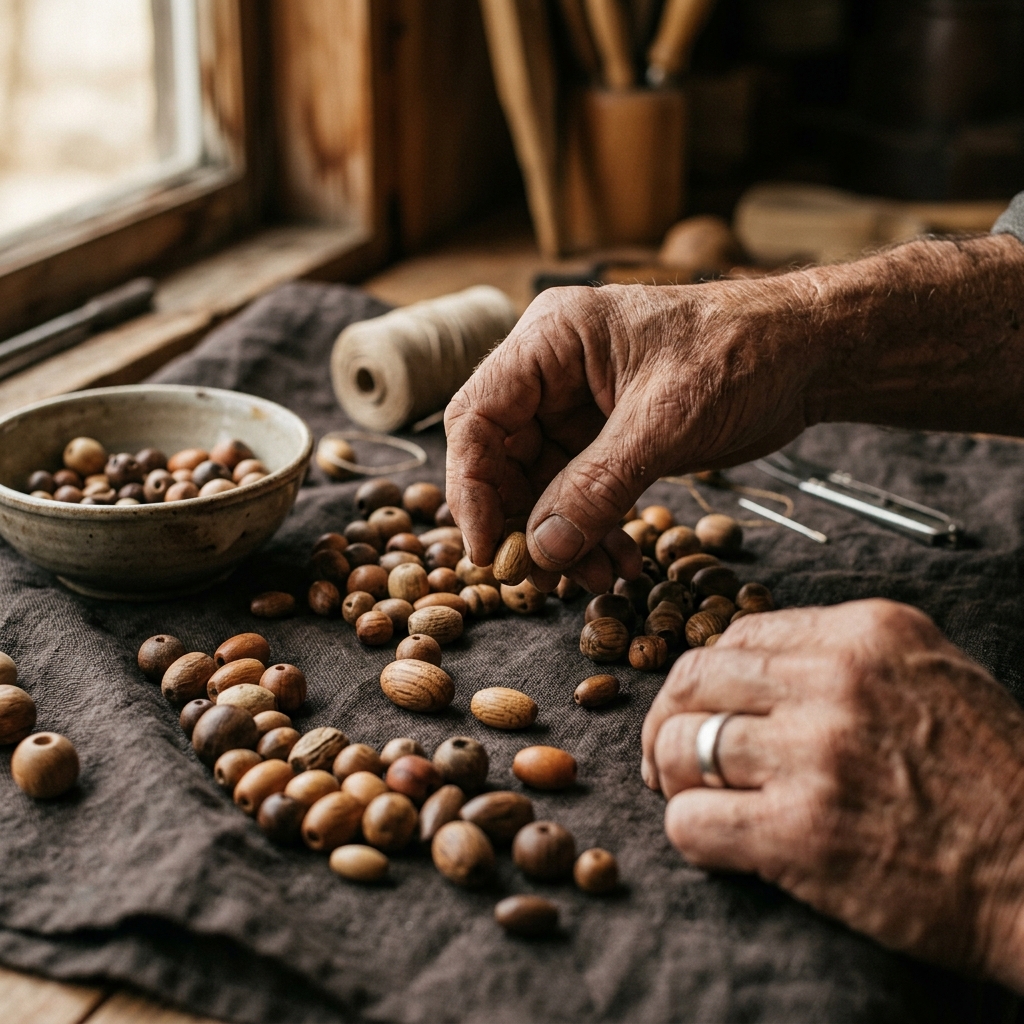
An obsidian bracelet in a Beijing workshop. A sandalwood incense stick made in a family studio in Fujian. A ceramic holder thrown by hand in Jingdezhen. These objects come from traditions that are hundreds of years old - but they land in a modern apartment, beside a phone, next to a laptop, in a life that looks very different from the one they were originally made for.
And that is the point.

01
The object does not carry the old meaning
In some traditions, obsidian is worn for grounding. Sandalwood is burned during meditation. Beads are used for counting breath or prayer. These meanings are real, and they belong to the cultures that created them.
But when the same object enters a modern home - your home - it does not carry the old meaning like a label. You did not grow up in that tradition. The object does not belong to your ancestors. It belongs to you, now, in this moment, for whatever you need it to mean.
An object from one tradition, placed in a modern life, carries the meaning you bring to it each day.
02
Honoring tradition without borrowing it
NORAVYA does not sell spiritual objects. We do not claim that a bracelet contains energy, that incense cleanses a space, or that a cushion aligns your chakras. These are not our claims to make, and we do not borrow the language of traditions we did not inherit.
What we do is simple: we select objects made with traditional craft - real materials, real skill, real time - and we offer them for modern emotional use. A bracelet for the pause before a difficult conversation. Incense for the end of a long workday. A cushion for sitting when you need to come back to yourself.
The craft is honored. The meaning is yours to define.
03
The ordinary becomes a practice
When you wear an obsidian bracelet every day, you stop noticing it - until you need it. Your hand finds it before a meeting. Your fingers brush it during a tense conversation. You touch it while waiting for a reply you are anxious to receive.
This is how an Eastern object becomes a modern daily reminder. Not through ceremony. Not through belief. Through repetition. Through the small, ordinary act of wearing something, feeling something, returning to something - again and again.
Tradition gave the object its form. Your daily life gives it its meaning.
04
What this means for you
You do not need to understand the history of obsidian to wear it. You do not need to know the origin of sandalwood to burn it. You do not need a guide to the ceramic traditions of Jingdezhen to set a holder on your table.
You only need to know what the object means to you. Protection. Calm. A fresh start. The end of a long day. A quiet corner that feels like yours. That meaning is yours to assign. It belongs to no one else.
A Small Reminder
The object arrives with a history. But the meaning it carries forward is yours - shaped by your mornings, your difficult conversations, your quiet returns. No one else writes that story.
An object is not its origin. It is what you do with it. Wear your meaning. Burn your signal. Hold your return.
From the Journal
Continue Reading
Letters · 7 min read
A Quiet Letter
A foundational letter on modern city life, material presence, and why NORAVYA exists.

Human Moments · 5 min read
A Small Boundary Before the Reaction
A reflection on boundaries, attention, and the brief pause before choosing a response.

Human Moments · 5 min read
The Pause Before You Reply
A note on slowing down long enough to decide what a message should say.